
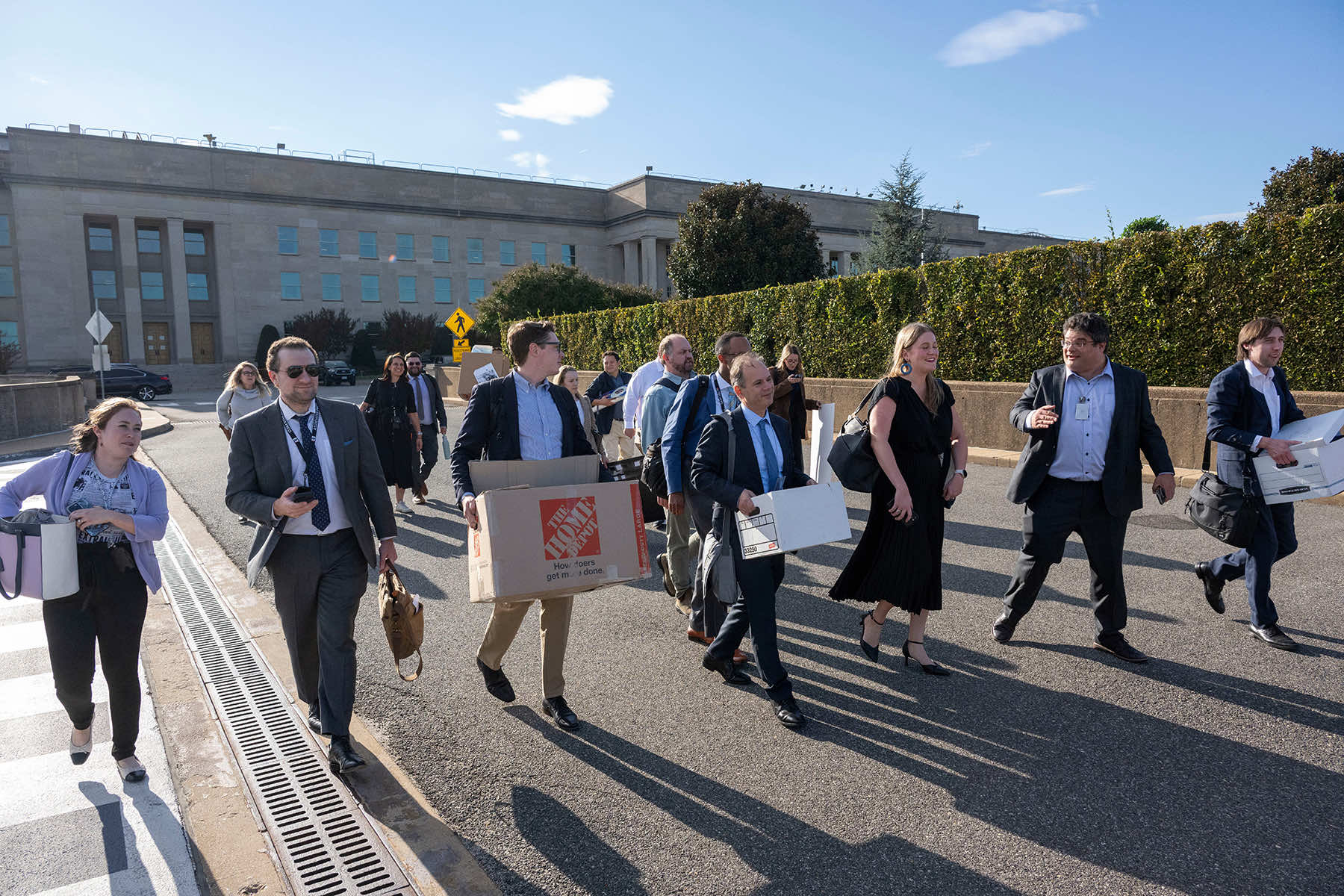
It was a stunning sight. On October 15th, an army of journalists walked out of the Pentagon carrying boxes of their belongings. They were ordered to turn in their credentials and leave for refusing to sign a 17-page memo issued by the self-named “Department of War (DOW).” The memo required, among other things, that reporters promise to only use information “approved for public release by an appropriate authorizing official, even if it is unclassified.” The Pentagon Press Association called it “an unprecedented message of intimidation.” Not only did media outlets such as NBC, ABC, CBS, CNN and MSNBC refuse to sign it, but more right-leaning outlets including FOX News, Newsmax, The Washington Times, and the Wall Street Journal also said no. The team of journalism rivals signed a joint statement vowing to continue to cover the military, despite being kicked out of the building. Although Pentagon officials bragged about 60 journalists signing the pledge, the only national outlet to sign the DOW’s request was One America News (OANN). The rest were far less known far-right outlets. Considering that the Pentagon alone spends more than $800 billion a year of taxpayers’ money, it is crucial that reporters be unfettered in their ability to let voters know where and how that money is being spent.
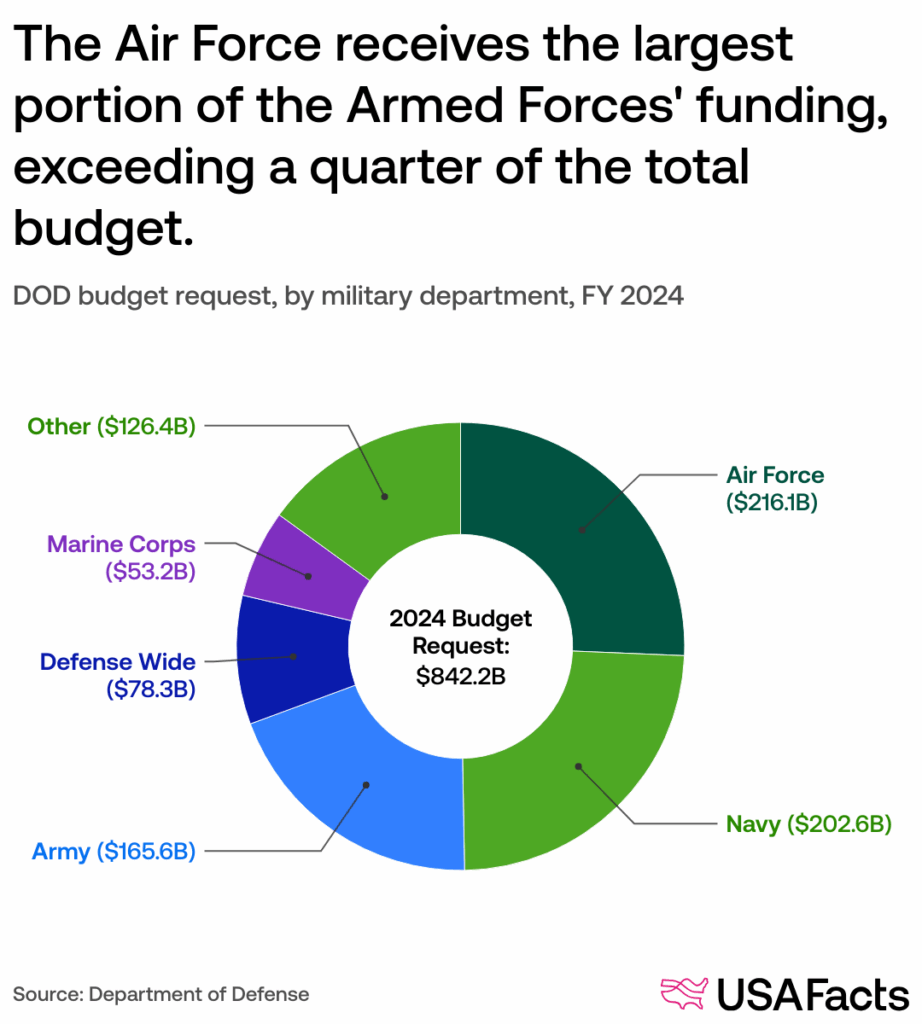
Source: USAFacts via Department of Defense
The very same day, the Harvard Crimson joined 43 student-run college newspapers in signing an amicus brief in support of a lawsuit pushing back against the Trump Administration for moving to deport or revoke the visas of noncitizens based on pro-Palestinian political views expressed in student papers. The most high-profile example was Tufts doctoral student Rümeysa Öztürk of Turkey, who was detained for six weeks last spring after posting an opinion piece. The brief said these actions make it harder for student papers to report because of the chilling effect they have had on International students who might otherwise speak out.
Meanwhile, New York Times officials say they will “not be deterred by intimidation tactics” posed by the shorter version of the $15 billion defamation lawsuit President Trump’s lawyers re-submitted this week after it was thrown out by a federal judge on September 19. The suit accuses the paper and several of its reporters of seeking to undermine his 2024 candidacy and disparage his reputation as a businessman.
These are critical examples of media outlets standing up for the right to do their jobs regardless of cost. Doing anything less would be an opportunity for this grand-scale reduction of the rights of a free press, which was made a foundational part of American democracy in the First Amendment of the Constitution, to become normalized and even accepted.
It was inspiring to see members of opposing media sources ban together for the Freedom of the Press and we can all join them in the effort. Even people who don’t work directly for a media outlet can do their part. Support local media outlets by subscribing, viewing, listening and reading their stories online. Medill’s annual state of local news report indicated that not only are subscriptions down, but digital media viewings are dropping as well due to the integration of generative AI summaries into search engines, and competition from “content creators.”
Seek out news from vetted journalism outlets with fact checking standards instead of people whose identities are hard to verify on social media. Make your voice heard about threats to freedom of speech in other ways. At least seven million people attended last weekend’s “No Kings” rallies at 2,700 sites across the country. An estimated three million people cancelled their subscriptions to Disney and Hulu when Jimmy Kimmel was suspended for making an ill-fated joke.
It goes without saying that the freedom of the press is never something we should take for granted. Founding father Thomas Jefferson said in 1787 that given the choice he’d prefer newspapers without a government to a government without newspapers. Journalism is thought of as the “Fourth Estate,” an essential check on the power of the Executive, Legislative, and Judicial branches of government. Journalists hold officials accountable for their actions, share important information with the public, and give voice to a variety of political viewpoints. Their fact-checking is a counterweight to misinformation and their stories serve as a first draft of history. Let’s not allow a free press to be something we only appreciate after it is gone.
Cover photo: AP Photo / Kevin Wolf
