

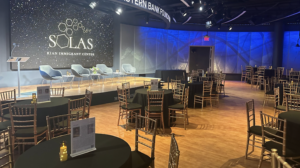
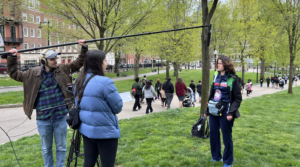
Whether for raising awareness, driving engagement, or fundraising, nonprofit events are a strong way to get people involved with an organization and its mission. Throughout my time at Teak Media, I’ve supported multiple organizations in bringing events to life. From managing the Boston Women’s Workforce Council’s virtual and in-person events; staffing a client booth at the MA Conference for Women; running Solas, the Rian Immigrant Center’s annual fundraising gala; or being an extra set of hands at Project Bread’s Walk For Hunger; I’ve seen firsthand what goes into successful nonprofit events and how impactful these events can be.
Here are a few strategies for success that nonprofits can weave into their event planning process that work no matter the event goal or audience.
Create a seamless pre-event experience
The event experience doesn’t begin day-of, it begins as soon as guests receive an invitation. The weeks leading up to an event are prime real estate for building anticipation and maintaining momentum.
Tactics to do so can include:
- Designing invitations that clearly state your mission and why people should want to attend. This should answer the question that is the basis of all of the work we do at Teak: “so what?”
- Ensuring the registration process is quick and user-friendly, rather than requiring registrants to input excess information.
- Sending personalized email confirmations after a person registers. If it’s a large-scale event, many email systems can automate this process.. However, if your team has the bandwidth, personalized emails are a great way to strengthen relationships with your organization’s supporters.
- Developing a communication calendar that strategically shares content across email, social media, and partner channels. These pieces of content can spotlight event speakers or honorees, offer sneak peeks of the agenda, highlight people the organization impacts, share behind-the-scenes preparation content that makes registrants feel like insiders, and share important day-of information.
The goal is to make every touchpoint before the event feel intentional and valuable, so attendees arrive informed, excited, and ready to engage.
Design for engagement
The most successful nonprofit events don’t necessarily have the most impressive speaker lineups or are at the fanciest venue, but rather give attendees genuine reasons to stay, participate, and connect. One of the biggest mistakes organizations can make is overscheduling a speaking program and not building in time for participants to engage with staff members and one another. Attendees often value the opportunity to connect with peers just as much as hearing from thought leaders. Think about it – would you rather be talked at or talked to?
To combat this, plan interactive elements throughout your program.
- Hold Q&A sessions with keynote speakers or panel discussions where the audience can submit questions. It is a fantastic way to get the whole room engaged in the conversation.
- Provide structured networking activities, whether it’s a cocktail hour (who doesn’t love free food!) or roundtable activity, to facilitate human connection between attendees.
- For events with a fundraising focus, consider adding a fundraising thermometer for attendees to show progress in real time.
- Have a sticky note wall to which people can add their reasons why they support the nonprofit. Not only will participants be able to read the ‘whys’ for all other attendees, the wall also provides a great photo opportunity that can be repurposed in other communication materials.
When attendees feel like active participants rather than passive observers, they’re more likely to stay engaged throughout the event, contribute meaningfully, and leave with a stronger connection to your mission and community.
Leverage unique on-site fundraising opportunities
Beyond traditional corporate sponsorships and/or ticket sales, successful nonprofit events incorporate multiple creative giving opportunities that meet donors where they are and make contributing feel natural and exciting. At the Rian Immigrant Center’s Solas event last month, we partnered with AmFund, an organization that raffles off all-inclusive trips at a discount, and gives a portion of the proceeds to the nonprofit partner. Attendees were incredibly excited to bid on trips to Africa, Greece, Curacao, and more, and it was a novel fundraising opportunity that led to a great return for Rian.
While this was an exciting on-site fundraiser, it may not fit the vibe of every event. Other on-site activations could include:
- Incorporating a “fund-a-need” campaign that highlights specific programs with concrete funding goals, making it easy for attendees to visualize the impact of their contribution.
- Offering text-to-give or QR code options at strategic moments throughout the event so attendees can donate instantly when they feel most inspired, without having to wait for a formal ask.
- Designing on-site fundraising activations that tie directly to your mission, like interactive food packaging stations at a hunger relief organization’s event where attendees can assemble meal kits while learning about food insecurity, or a touch tank experience with marine life at an Aquarium gala can be paired with conservation-focused giving opportunities. Incorporating the work of the organization into a fundraising activity further immerses attendees in the mission and can inspire them to give more once they have a deeper understanding of the impact.
Don’t forget to follow up!
The work doesn’t end when the last attendee leaves. Your post-event communication is critical for converting one-time participants into long-term supporters. Send personalized thank-you messages within 24-48 hours that go beyond generic appreciation to reference specific moments and reinforce the impact of their participation.
Within a week or two, share event outcomes that matter: How much was raised? How many attended? How will the funds be used? What’s next? Provide photos, highlights, or a short recap video that helps attendees relive the experience and gives them shareable content for their networks. This serves double duty by thanking current attendees while building excitement for those who missed out.
Survey attendees for honest feedback and use the momentum to deepen engagement. Invite them to volunteer, join a committee, or participate in smaller gatherings. When you treat events as cultivation opportunities rather than isolated transactions, you build a pipeline of engaged supporters who will continue showing up long after the event ends.
Successful events don’t happen by accident; they require strategic planning, authentic mission alignment, and a willingness to innovate. The key is viewing your event not as a standalone fundraiser, but as one touchpoint in an ongoing relationship with your supporters. When you focus on creating meaningful experiences that demonstrate impact and foster genuine connections, the results, both in revenue and relationships, will follow.
