

Influencer marketing has become essential for most industries, and nonprofits are no exception. I recently heard a stat that 97% of CMOs are planning to increase their influencer marketing spend this year, and according to the M+R Benchmarks 2026 Report, 58% of nonprofits worked with influencers in 2025, using these partnerships for fundraising, advocacy, and storytelling. The terminology has shifted too—”influencers” are increasingly being called “creators” to reflect that they’re content creators first, not just people with large followings.
Once you’ve taken the first step of establishing an influencer campaign by researching and identifying the perfect creator(s) for your campaign and conducting initial outreach, creators likely ask you what your organization needs from them.
If your answer is vague (“just post about us sometime”) or overly controlling (“here’s a script to read word-for-word”), you’re setting the partnership up to fail. What you need is a creator brief: a document that gives creators everything they need to make great content while ensuring your organization gets what it needs.
What Is a Creator Brief (And Why It Matters)
A creator brief outlines campaign goals, key messages, deliverables, timeline, and creative parameters. Think of it as the influencer equivalent of a media pitch: it provides context, sets expectations, and makes collaboration easier for everyone involved.
The best creator briefs strike a balance. Too little direction and creators don’t know what you actually need. Too much control and you strip away the authenticity that makes influencer partnerships work in the first place. Your goal is to give creators the framework to succeed— without micromanaging their creative process.
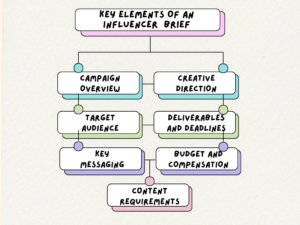
What to Include
Campaign Overview & Context
Start with the big picture. What’s this campaign about? Why are you doing it now? Is it promoting your annual gala, recruiting Walk participants, or raising awareness during a specific capital campaign? Include key dates, overall goals (awareness, fundraising, volunteer recruitment), and why this matters right now.
Give creators enough context about your organization that they can speak credibly. Include your mission in 2-3 sentences, why this campaign is important, and any background they need to understand your work. Don’t assume they already know. Even if they follow you, they might not know the details. Plus, by providing creators with your organization’s key points, you increase the likelihood of them using your core messages, which you have spent time diligently crafting. The goal is to give them enough info to hit your brand marks, while also leaving them room for creative authenticity.
Target Audience
Be specific about who you’re trying to reach. “Donors” is too broad. “Boston-area parents ages 30-45 who care about education equity” gives creators something to work with. When creators understand who they’re speaking to, they can tailor content that resonates.
Key Messages & Creative Direction
This is where many organizations go wrong. Key messages are themes and talking points, not scripts. Give creators 3-5 main points you want communicated, then trust them to translate those into their own voice.
For example, saying; “1 in 3 families in Massachusetts struggle to put food on the table” works . Using micro-managing language like “You must say ‘Join me at the Walk for Hunger on May 3rd to fight food insecurity’ in the first 5 seconds,” doesn’t.
Include tone and vibe. If applicable, share some examples you love of previous content the influencer has created for other partnerships or spotlight past creator campaigns your organization has collaborated on to help inspire content ideas. If you have brand guidelines (logos, colors, fonts, specific hashtags), include those too. Help creators visualize what success looks like without dictating exactly how to get there.
Deliverables & Timeline
Be clear and specific about what content deliverables you’re asking for. How many posts? Are you looking for static images or dynamic videos? Which platforms? Are IG Stories required or optional? What are your must-haves (tagging your account, including a link, mentioning a specific date or fact)? If your organization is paying for the content, you have some say in what you are paying for.
Separate the non-negotiables from the nice-to-haves. Maybe the event date and registration link are essential, but the exact phrasing is flexible. Spell out where the creators can have creative freedom, so they know how they can make the content their own based on their personal knowledge and experience with their audience.
Include realistic timelines. When should content go live? If reviewing drafts is part of the agreement, how much lead time do they have? How many rounds of revisions and reshoots, if needed, can they expect? When is your absolute deadline? Give creators enough runway to create quality content, not a last-minute scramble.
Compensation & Usage Rights
This is non-negotiable to include, even if compensation is $0 (we know nonprofit resources can be limited). Be upfront about what you’re offering: payment, product, or an experience (like VIP access to a gala or fundraiser concert). If you’re asking creators to work for free or for minimal compensation, acknowledge that and explain why it’s worth their time.
Usage rights matter. Can you repost their content on your channels? Can you use it in paid ads? For how long? Spell this out clearly. Creators deserve to know how their content will be used, and assumptions here can damage relationships fast.
Next, include who creators should reach out to with questions. How should they contact that person? What’s a reasonable response time to expect? Make it easy for creators to get answers when they need them.
What Not to Include
Skip overly restrictive or prescriptive scripts. If you’re telling creators exactly what to say, you’re creating an ad, not partnering with an influencer. Their value is in their authentic voice and relationship with their audience. Let them use it.
Avoid vague asks. “Post about us sometime” sets no one up for success. Be specific about what you need and when you need it.
Don’t bury creators in legal jargon that might need to be interpreted by a lawyer. If contracts are involved, keep the brief itself readable and practical.
The Real Goal
A creator brief is a collaboration tool, not a control mechanism. The best partnerships happen when expectations are clear, creators have room to be creative, and both parties understand what success looks like.
Send your brief early and be available for questions. Trust that creators know their audience better than you do. And when the campaign wraps, follow up with a thank you note and share the impact their work created. They will be happy to know how their work helped your cause. Sharing this info will help to endear the creator to your organization and will set you up for future collaborations.
Done right, a creator brief enables everyone to do their best work and builds the foundation for partnerships that go beyond a single campaign.
