
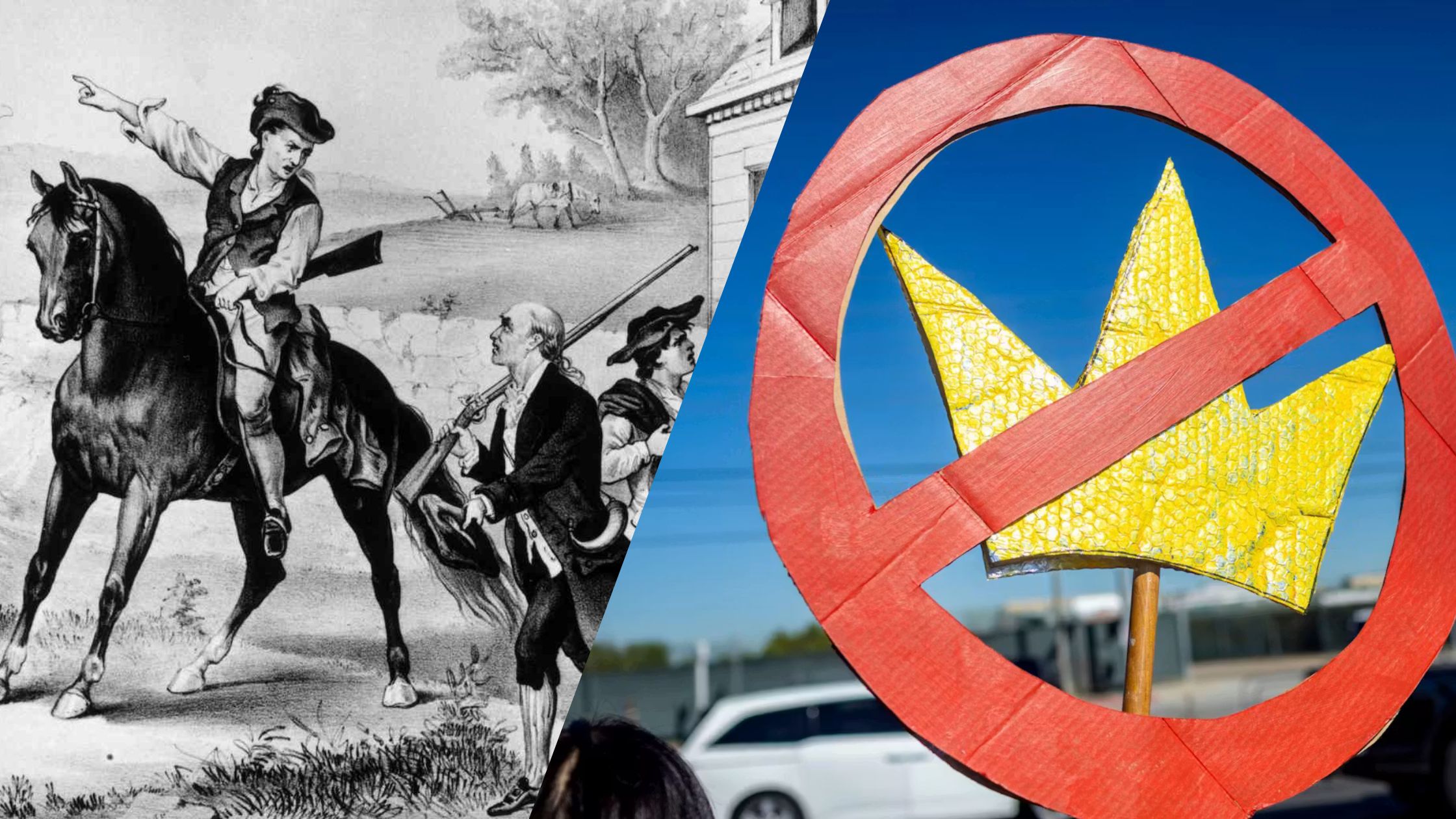
As we mark America’s 250th anniversary, millions of Americans are thinking seriously about what democratic participation actually looks like. For nonprofits working on issues that matter, this moment is a reminder that social media has made grassroots organizing extremely accessible and effective.
The American Revolution was largely a grassroots organizing campaign.The colonists who organized resistance to British rule worked with what they had: pamphlets, town meetings, post riders, and a network of committed people willing to spread a message. Samuel Adams developed the Committees of Correspondence: an underground network of communication among patriot leaders across the thirteen colonies. Information was disseminated through pamphlets and letters carried by post riders or onboard ships, while newspapers served as vital tools and community groups like the Sons of Liberty organized public protest events.
The goal was simple: get the word out, build consensus, and move people to action. Sound familiar?
The Town Square Never Left. It Just Moved.
The Boston Tea Party started after nearly 5,000 Bostonians met in the Old South Meeting House and agreed to act. The physical town square was where ideas spread, coalitions formed, and movements gained momentum.
Today, that town square is social media. And the grassroots organizing principles haven’t changed as much as we might think.
Consider the No Kings movement. A structured nationwide protest network that mobilized tens of millions of Americans within 18 months emerged from online discussions. Five million demonstrators attended the first rallies on June 14, 2025, seven million turned out on October 18, 2025, and eight million participated across 3,300 sites on March 28, 2026. Spearheaded by the 50501 Movement (a.k.a. “50 protests, 50 states, one movement”), a grassroots organization itself formed from Reddit, the No Kings coalition has grown to include over 200 organizations, all coordinating locally while communicating nationally.
That’s not so different from Samuel Adams circulating the Boston Pamphlet to every town in Massachusetts. The infrastructure of how we disseminate the information may have changed, but the intent is the same.
The Mechanics of Organizing Then and Now
What made Revolutionary-era organizing effective was more than passion; It was structure, repetition, and trusted messengers. The Committees of Correspondence spread news and mobilized opposition through every available channel, consistently and repeatedly. They didn’t wait for people to find the message. They brought the message to people.
The No Kings movement used technology to execute the same playbook. Organizers positioned each mobilization as a cultural and political counterweight to competing events, streamed rallies nationwide, and activated ongoing digital organizing efforts to sustain the movement. Instead of town meetings there were virtual rallies streamed simultaneously to thousands. Shareable graphics replaced pamphlets. The share button became a modern day post rider: one tap spreading a message further than any horse could ride. The medium has evolved, but the purpose remains the same.
What This Means for Nonprofits
If you’re working to change something, whether that’s food access, housing, education, or environmental policy, you’re in the same business as Samuel Adams and the organizers behind No Kings: grassroots organizing that builds awareness, rallies supporters, and moves people from passive agreement to active participation.
Social media gives nonprofits tools the colonists could only dream of. Large reach is a starting point, but movements are built on something deeper. What created engaging movements in 1773 are the same things that work today.
A clear message. The Boston Pamphlet asserted colonists’ rights and listed specific grievances. Your social media content should be equally clear about what’s at stake and why it matters now, using language that is jargon free and easy to understand.
Trusted messengers. Using an already established network of supporters, colonial leaders built broad support quickly. Nonprofits have their own version: board members, volunteers, community partners, and loyal donors who can amplify your message to audiences you’d never reach alone.
A specific call to action. The Sons of Liberty and their allies went beyond just raising awareness about British taxation, they organized a specific event on a specific night: the Boston Tea Party. The most effective communication, no matter the time period, gives people a sense of urgency and something specific to do. Not every post needs a hard ask, but your campaign content should always have a clear next step.
Consistency over time. The Committees of Correspondence built a sustained stream of information that kept people informed, engaged, and ready to act. They knew people had to hear the same message repeatedly before they chose to act. Your social media strategy should do the same.
The colonists built a revolution with pamphlets and post riders. You have Instagram, TikTok, Facebook, Youtube, LinkedIn, newsletters and more at your disposal. Having the tools to reach people is the easy part. Momentum happens when you build a message worth spreading and have the conviction to keep spreading it.
