

On October 9, Teak Media + Communication staff joined fellow Boston’s B Corp members, nonprofit partners and other volunteers for an afternoon dedicated to making a tangible environmental impact. The Take Action with Boston’s B Corps Charles River Clean-Up, hosted by B Local Boston, Rozalia Project, Preserve, Bergmeyer, and The Surfrider Foundation, brought together passionate people who share a common goal of protecting and preserving one of Boston’s most beloved natural spaces. For one sunny afternoon, we rolled up our sleeves and took part in the collective effort to clean up the Charles Riverbank and raise awareness about the hidden pollution that affects it.
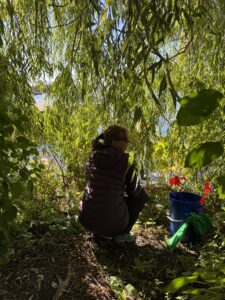
When our team arrived, we were greeted with large empty buckets and a scenic view of the Charles. The sun warmed the afternoon air, trees arched over the water and wild plants lined the bank. At first glance, the area looked clean, which led our group to think that we would not be able to fill the collection buckets. Within an hour, that assumption was proven wrong.
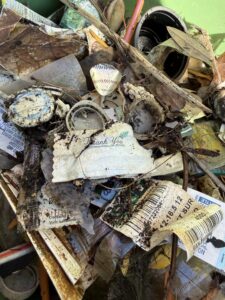
Once we started going deeper along the riverbank, underneath the arching trees and past overgrown plants, we were met with trash blending into the water beds and edges of the bank. We found bits of plastic beneath leaves, bottle caps wedged under dirt and plant roots and endless food wrappers floating in the water. Our team filled four large buckets with items including plastic cups, cans, small plastics, cigarette butts and discarded needles. Upon close inspection, what had initially looked like a clean riverside was revealed to be a microcosm of the broader environmental issue that organizations like Rozalia Project work to combat.

By late afternoon, volunteers were called together to sort through the day’s findings. This step wasn’t just about proper disposal, it was also about analyzing the environmental impact of the pollution found. The Rozalia Project leads cleanups like this not only to collect waste but to gather critical data about why certain types of trash end up in waterways like the Charles River. Each team separated their findings into categories such as microplastics, bottle caps, food wrappers, cups, needles, etc. Once volunteers finished counting the individual pieces within each group, Rozalia Project collected the data while also sharing their plans to bring the information compiled to local leaders so they can advocate for smarter consumption habits and improved waste management.
In total, volunteers collected 150 pounds of trash that afternoon. The most common items found were wrappers, which were 466 out of the 2,344 individual pieces documented. The data paints a clear picture of how everyday convenience items contribute to long-term environmental problems and underscores why community education and cleanup initiatives are so important.
For the Teak Media team, the cleanup was both humbling and inspiring. Working alongside fellow B Corps members, nonprofits and dedicated volunteers served as a reminder of why we do the work that we do. Our work centers on uplifting mission-driven organizations, and this experience allowed us to live out those same values by supporting sustainability and collective responsibility. Together, we can keep Boston’s natural spaces clean, safe, and thriving for the wildlife that depend on them and for the communities that cherish them.
We encourage other organizations to plan a group volunteer day for a cause that matters to them. To learn more about the next cleanup at a waterway, check out The Surfrider Foundation and the Rozalia Project.
