
The U.S. Open, the largest of the four major professional tennis tournaments, stormed through the Big Apple over the past few weeks, meeting its reputation as one of the most marketed sports extravaganzas of the year. Always known for its celebrity draw (Bruce Springsteen, Ben Stiller, Sting, and Lindsay Lohan were among those photographed outside the coveted men’s final), the U.S. Open packages every aspect of the tournament for maximum exposure. A New York Times frontpage feature on the Open’s celebrity marketing guru revealed that celebrities who scored the freebies were analyzed for impact, had to agree to be photographed and appear in TV cutaways, and were strongly encouraged to post about the tournament on social media.
Celebrities aside, this year’s U.S. Open served up not only some great tennis moments, but some powerful PR lessons professionals can use to ace their brand and crisis communications.
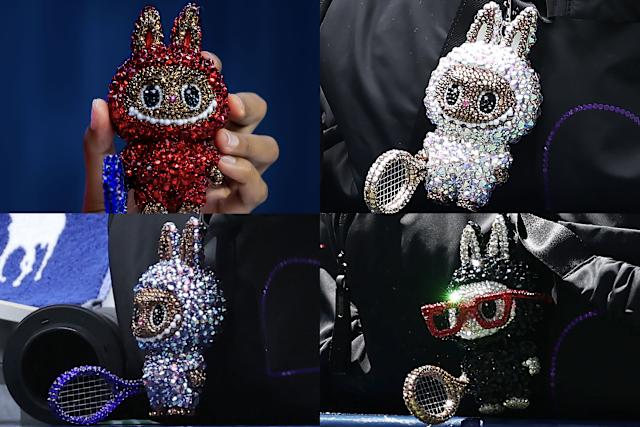
Know Your Audience – Labubus are popular toys that look like rabbits with pointy ears. Designer Keri Rose Gold made the craze her own and created a PR bonanza for herself and player Naomi Osaka, who made it to the semifinals in this year’s tournament. The pair collaborated on $495 custom designed bedazzled Labubus holding tennis rackets that the tennis diva/fashionista proudly displayed and talked about after every win. Not only did the Labubus tap into Ozaka’s love of sparkle, the designer and Osaka gave each Labubu a tennis inspired name and look sure to warm the hearts of history loving tennis fans everywhere. The names included “Billie Jean Bling” and “LaBillieBu” (for Billie Jean King), “Arthur Flashe” (for Arthur Ashe), Althea Glitterson (for Althea Gibson who was celebrated this year for breaking the color barrier 75 years ago), and Andre Swaggasi (for Andre Agassi). Recognizing tennis legends while partnering with just the right player to showcase her work made Gold’s 13-hour effort to create each doll a sound marketing investment. Osaka created buzz for herself and potentially gained new fans who hoped she would win if for no other reason so that they could see her latest labubu. Considering your audience is always important when crafting communications at any level.
React Quickly to the Unexpected – Like most pro tennis players, Taylor Fritz has a clothing contract. His contract is with Hugo Boss. At his quarterfinal match against Novak Djokovic, Fritz mistakenly wore his headband, with the “Boss” logo, upside down. After he lost the match, the company reacted swiftly and wisely on Instagram to turn an embarrassing negative into a positive by creating an image of Fritz with the caption, “When things turn on their head, literally, bosses get back up. Now onto the next Taylor!” This not only reinforced the name of the brand, it showed loyalty to Fritz (despite his unintentional error) and a sense of humor as well. Win-win.
This is great reactive marketing from Boss 👏 pic.twitter.com/4k5tkPSmBd
— Bastien Fachan (@BastienFachan) September 3, 2025
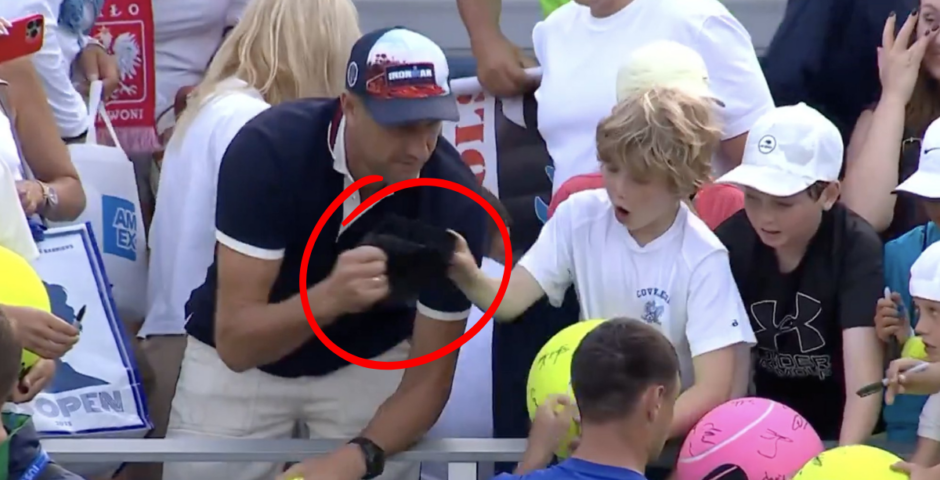
Don’t Make a Bad Mistake Worse – However a quick reaction without strategic thought can go very badly. One of the most viral videos of the tournament was when Piotr Szczerek, the owner of a Polish company Dogbruk, was caught on video snatching an autographed hat, which Polish player Kamil Majchrzak was handing to a young fan after his second round upset of the nine seed, Karen Khachanov. After Szczerek and his company were identified on social media, Szczerek initially responded to the negative messages flooding his company’s website by reportedly saying on GoWork forum, “Life is first come, first served” and threatening to take legal action against his critics for “insulting a public figure.” Talk about a double fault! Later he struck a much different tone in a very apologetic Facebook post, saying he got caught up in the heat of the moment. Majchrzak handled the situation smoothly, meeting with the fan (after asking social media to help find him) and giving him a new autographed hat, winning himself new fans in the process.
In tennis, the difference between an ace and a double fault can be razor thin. While no player or communications expert gets 100% of their first serves in (not even U.S. Open winners Carlos Alcaraz and Aryna Sabalenka did that), clever and strategic thinking can help you win the communications match.
