

The seventh season of Love Island USA delivered the usual mix of romance and drama, but for PR professionals, it also offered a surprising case study in narrative control, reputation management, and audience trust.
The reality dating show on Peacock invites singles to live together in a tropical villa and “couple up” to compete for love and a cash prize. It airs six nights a week, with episodes edited and turned around in under 24 hours so viewers can follow what happens in real time and vote accordingly.
Your Past Is Always Part of Your Present
This season, audience engagement went beyond the usual in-app voting and online commentary. Viewers flooded social media with calls to remove two contestants, Yulissa Escobar and Cierra Ortega, after resurfaced posts revealed racist content. In response, both were cut from the show. While Escobar was removed in the second episode of the season, Ortega was removed from the show nearly one week before the season finale after thousands of fans signed a petition calling for Ortega’s removal.
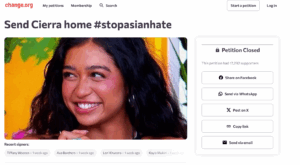
At Teak Media + Communication, we advise our clients that nothing is truly off the record. Unless it’s clearly agreed upon otherwise, what you say—whether in a donor meeting, a public town hall, or even in casual conversation—can likely be attributed to you. In a world of social media, influencers, and “newsfluencers,” content, especially the written word, is shared, clipped, and reinterpreted constantly. What you post online lives there long after the moment has passed. Whether it’s a new spokesperson, staff leader, or partner organization, past actions can shape current reputation at an organization.
Crisis Response Should Start with Transparency
The controversy quickly raised questions about vetting and accountability. In both cases, the contestants were removed off-camera, with little explanation to the public, and with no reaction on camera (that we saw) from the other cast members. This intensified speculation as the show avoided addressing the abrupt changes, leaving viewers keenly aware of the intentional editing process.
For mission-driven organizations, transparency is critical, especially in a crisis. Trying to quietly clean up a controversy can harm long-term trust with your community. A concise, values-based response, one that acknowledges harm and outlines a path forward, is far more effective.
Your Audience is Paying Attention
Throughout the season, the Love Island USA audience shaped the story. Viewers used online platforms to make their voices heard and drive conversations. The producers could not ignore the noise and adjusted accordingly.
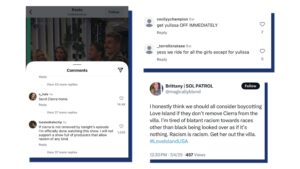
For nonprofits, this is a reminder that your supporters and stakeholders are not just listening. By commenting on social media, they have the ability to actually shape how your work is perceived. Engaging with them in real time, listening closely, and responding with authenticity is essential to maintaining credibility and connection.
In a world where public perception moves fast and values alignment matters more than ever, this season of Love Island USA was a masterclass in how quickly trust can be built or broken. For nonprofits and socially responsible companies, values have the most impact when they guide real decisions. In 2025, credibility comes from action. Every response is an opportunity to build trust.
